
In today’s fast-paced digital landscape, User Experience (UX) and User Interface (UI) design are essential to the success of any online product or service. From mobile apps to complex web platforms, the ability to deliver a seamless, intuitive, and engaging experience has become a key differentiator in an increasingly competitive market. In this blog post we’ve prepared for you, ITSense will help you understand the full role of UX/UI in the world of software solutions.
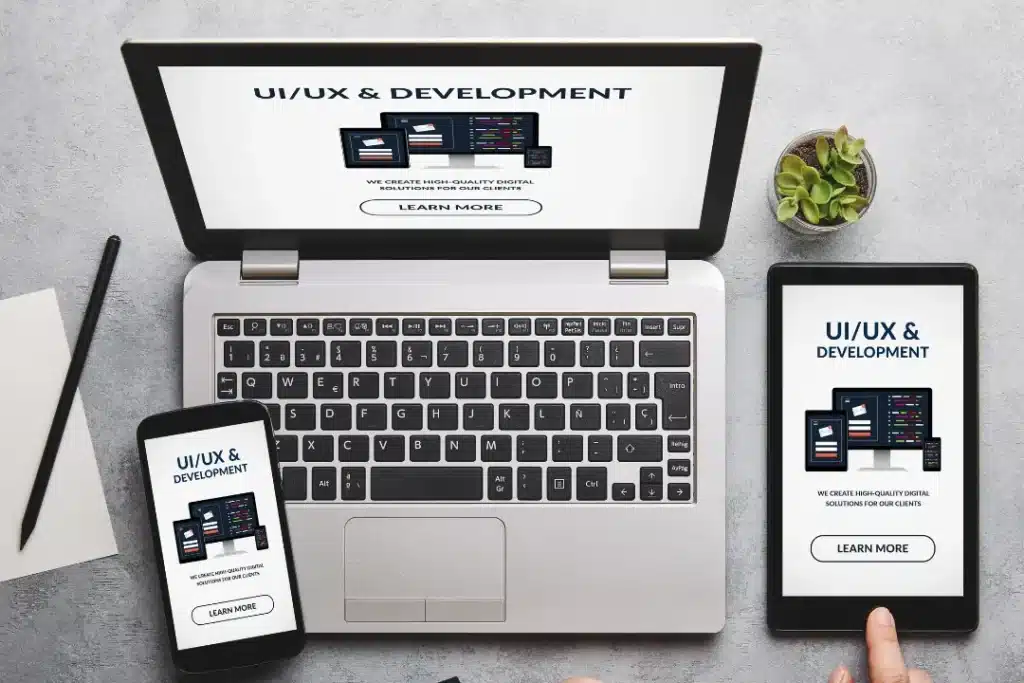
The Role of UX/UI in Software Solutions
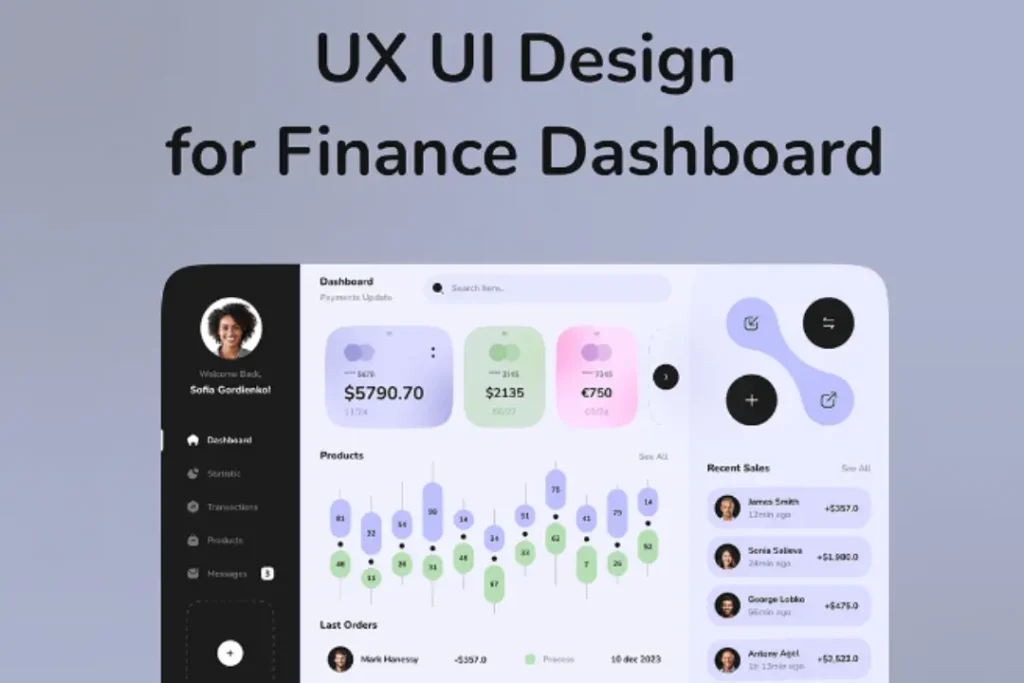
When it comes to software solutions, the importance of UX/UI becomes even more apparent. A well-designed user interface can significantly improve productivity, user satisfaction, and, ultimately, a product’s profitability. Here are some ways in which UX/UI influences software solutions:
- Enabling Intuitive Navigation: A well-designed user interface guides users through the software’s functions and features in an intuitive way, reducing friction and increasing efficiency.
- Optimizing Usability: User-centered design ensures that the most important features are easily accessible, allowing users to complete tasks quickly and effortlessly.
- Increasing User Retention: A positive user experience, supported by visually appealing design and seamless navigation, fosters customer loyalty and long-term retention.
Current Trends in UX/UI
Now, let's take a look at some of the most notable trends in UX/UI that are shaping the design of software solutions:
- Minimalist Design: Simplicity is key in today's design, with clean, uncluttered interfaces that allow users to focus on the task at hand. Example: The "Bear" note-taking app for macOS and iOS.
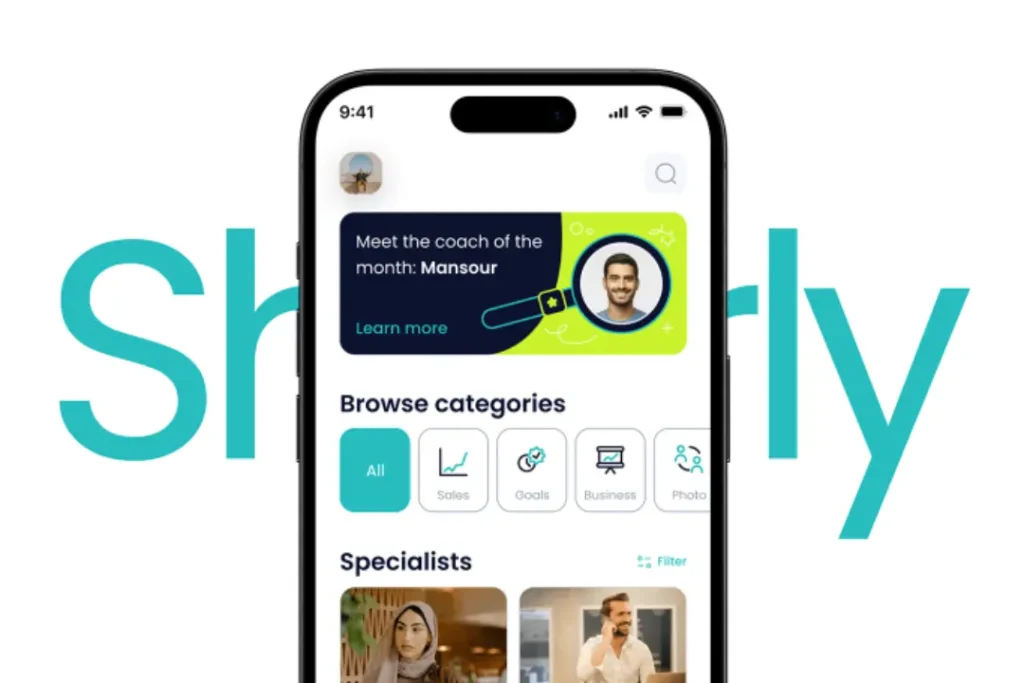
- Microinteractions: Subtle interactive details, such as animations and transitions, add depth and personality to the user experience. Example: Animated “likes” on Instagram.
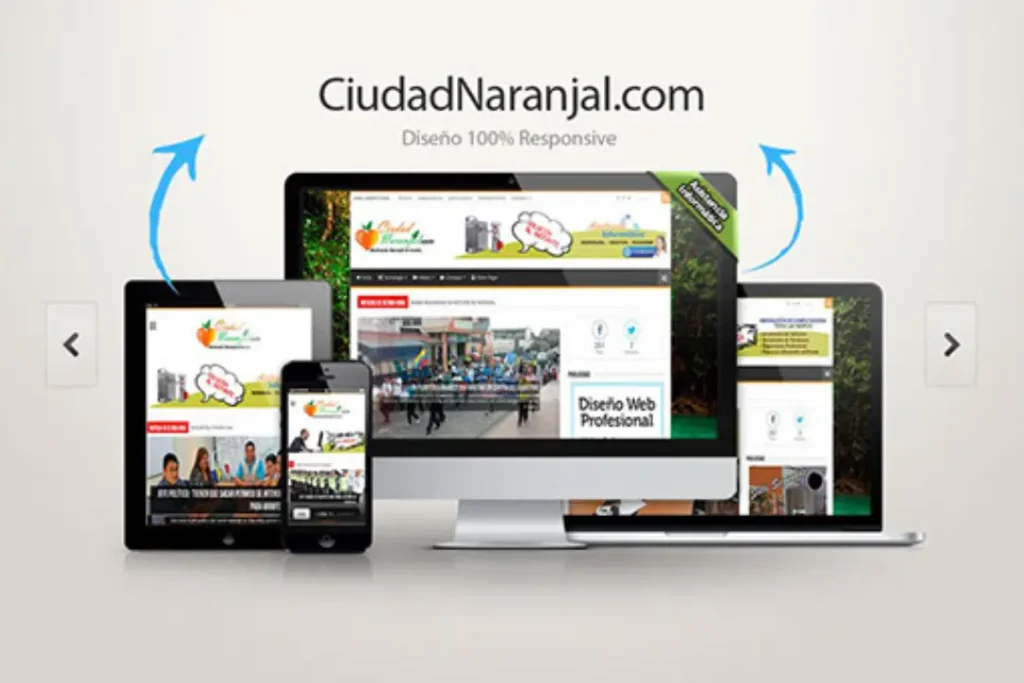
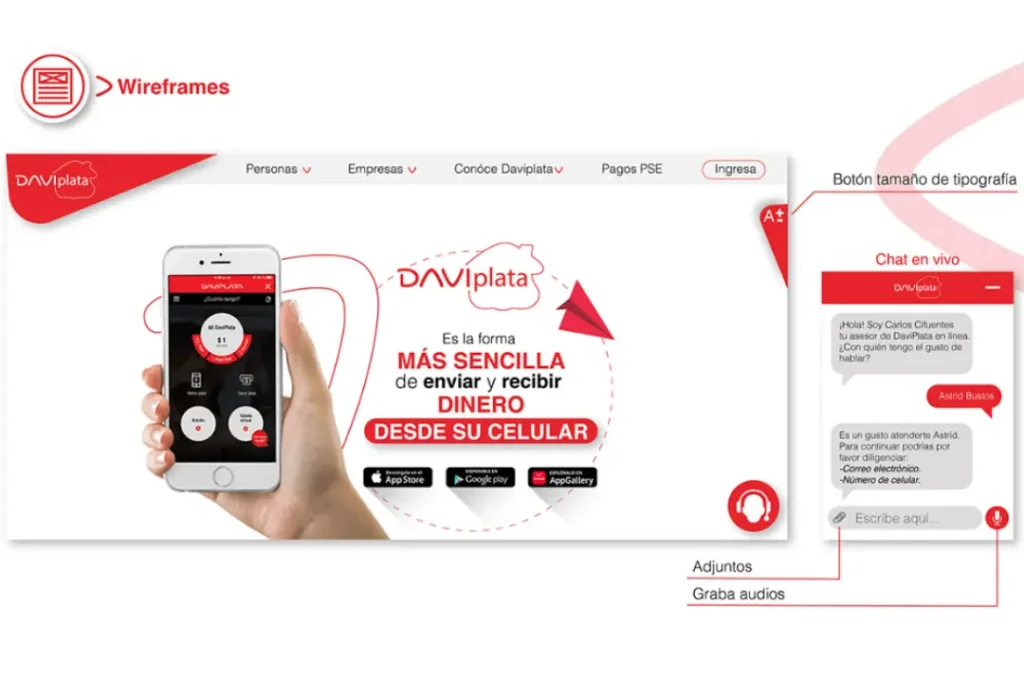
- Responsive Design: With the rise in mobile device usage, it is essential that interfaces adapt seamlessly to different screen sizes and devices. Example: The Starbucks website, which offers a consistent experience on desktop computers, tablets, and mobile phones.
- Accessibility: Designing interfaces that are accessible to everyone, including people with disabilities, is a growing trend in UX/UI design. Example: The “Be My Eyes” app, which connects blind or visually impaired people with volunteers who can assist them via live video calls.
Useful Tools and Resources
For those who want to dive into the world of UX/UI design, here are some tools and resources that can be very helpful:
- Adobe XD: A powerful tool for designing UX/UI prototypes, allowing you to create and share designs quickly and efficiently.
- Figma: A cloud-based collaborative platform for interface design that facilitates real-time collaboration among design teams.
- Google Material Design: A set of design guidelines developed by Google, offering design principles and components for creating consistent and visually appealing interfaces.
In conclusion, staying up to date on the latest trends in user experience and interface design is essential for creating successful digital products and services. By adopting user-centered design practices and using the right tools, companies can deliver memorable experiences that captivate their users and keep them engaged over the long term.
Did you know that ITSense has a team of UX/UI experts who can support your software development projects? Contact us to learn more.