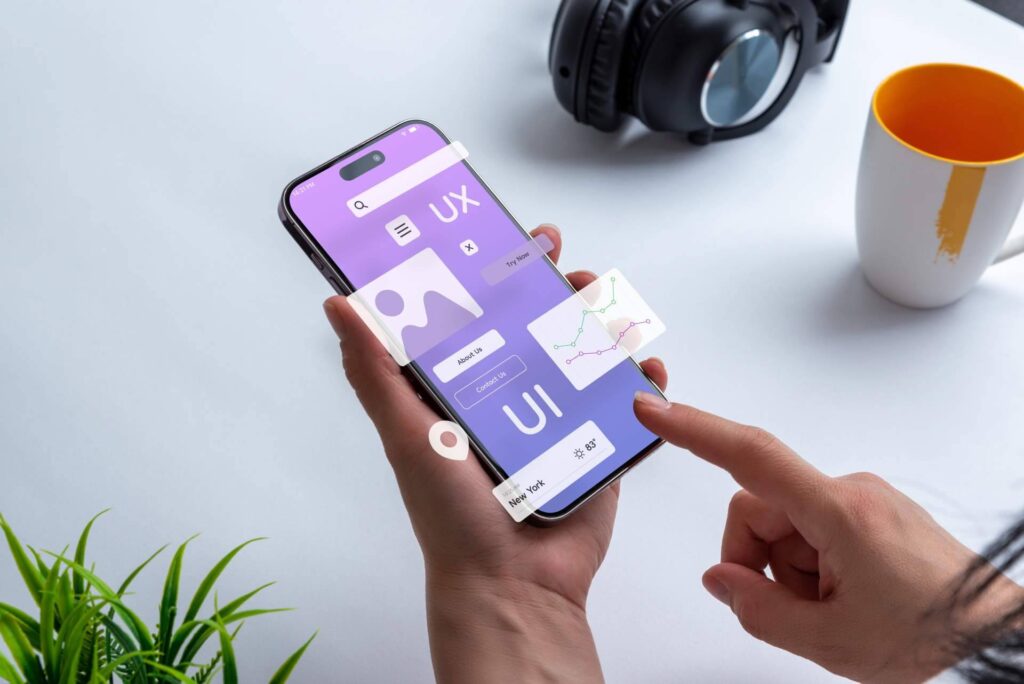
By 2025, mobile app design continues to evolve, incorporating emerging technologies and adapting to users' changing expectations.
Current trends focus on personalization, accessibility, and immersive interaction, aiming to provide more intuitive and engaging experiences.
1. Material You 3: Expressive and personalized design
Google has introduced Material You 3, an evolution of its design language that allows for deeper customization of user interfaces. This version features vibrant colors, bold typography, and dynamic animations, focusing on a modern aesthetic that resonates with younger audiences. In addition, live notifications have been improved, displaying real-time alerts from apps such as food delivery, navigation, and ride-sharing services.
2. Integrated augmented reality (AR)
Augmented reality has become an essential feature in e-commerce, education, and navigation apps. Users expect immersive experiences that integrate digital information into their real-world environment, enhancing interaction and engagement.
3. Minimalist design with bold typography
The "less is more" approach remains relevant, combining clean interfaces with bold typography and striking colors. This style improves readability and navigation on small screens, allowing the content to take center stage.
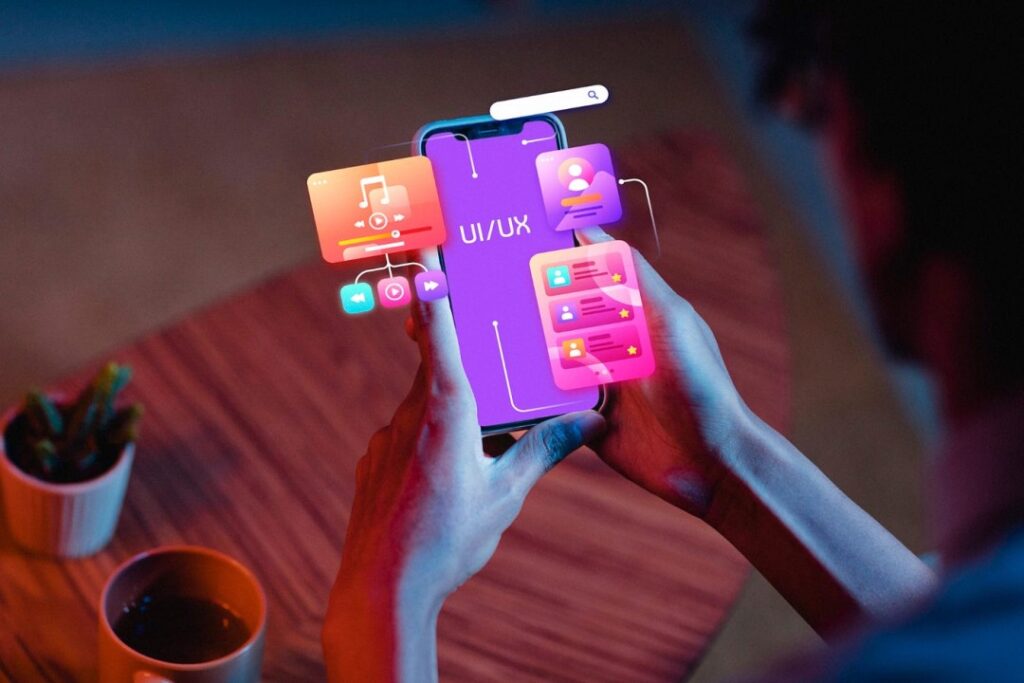
4. Dark mode as the default
Dark mode is no longer just an option; many apps now use it as their default theme. This mode reduces eye strain and battery consumption on OLED screens, and its use is expected to continue growing through 2025.
5. Microanimation and Motion Design Interactions
Microinteractions, such as subtle animations when tapping or swiping, enhance user feedback and make interfaces more dynamic. These interactions should be quick and meaningful, avoiding distractions.
6. Gesture-based navigation
With the elimination of physical buttons, gesture-based navigation has become a core feature. This form of interaction offers a more fluid and natural experience, especially on bezel-less and foldable devices.
7. AI-powered interfaces
Artificial intelligence enables adaptive interfaces that tailor the user experience based on their behavior and preferences. From real-time recommendations to auto-fill forms, AI improves efficiency and the relevance of content.
8. Built-in accessibility and real-time customization
Apps now offer customizable accessibility options, such as contrast settings, text size adjustments, and simplified modes. These features allow users to tailor the interface to their needs, promoting an inclusive experience.
9. Advanced biometric authentication
Biometric authentication—including facial recognition, fingerprint scanning, and voice recognition—has become standard practice for enhancing security and convenience in mobile apps. These technologies enable faster and more secure access.
10. Sustainable and energy-efficient design
With growing environmental awareness, sustainable design has become an integral part of app development. This includes optimizing performance to reduce energy consumption and adopting development practices that minimize the carbon footprint.
In 2025, UX/UI design for mobile apps focuses on creating more personalized, accessible, and immersive experiences. The integration of advanced technologies and a focus on user needs are essential for success in today’s competitive market.
Are you ready to modernize your users' experience with cutting-edge UX/UI design? At ITSense, we design people-centered interfaces that combine aesthetics, functionality, and cutting-edge technology. 👉 Reach out to us today and let’s discuss how to improve your digital product: Contact us now.